
What to Look for When Buying Caffeine-Free Tea

For many tea lovers, tea is more than just a beverage. It can be part of a relaxing morning routine, an afternoon break, or a calming ritual before bed. But if you are trying to reduce your caffeine intake, choosing the right tea can be confusing. Not every tea marketed as “light,” “natural,” or “herbal” is necessarily caffeine-free.
The good news is that there are plenty of naturally caffeine-free tea options available. From floral blends to fruity infusions, caffeine-free herbal tea can offer variety without relying on traditional caffeinated tea leaves.
If you are planning to buy caffeine free tea, there are a few important things worth checking before adding a product to your cart. This guide explains what to look for, how to compare different options, and how to choose a caffeine-free tea that fits your everyday routine.
What Is Caffeine-Free Tea?
Caffeine-free tea generally refers to beverages that contain no naturally occurring caffeine. Traditional teas such as black tea, green tea, white tea, and oolong tea are made from Camellia sinensis, a plant that naturally contains caffeine.
On the other hand, many herbal infusions are made from flowers, leaves, fruits, spices, or roots that naturally contain no caffeine.
Examples include:
-
Chamomile
-
Hibiscus
-
Peppermint
-
Rooibos
-
Ginger
-
Certain fruit and floral blends
This makes herbal infusions a popular option for people looking for herbal tea without caffeine.
However, it is still important to read the ingredient list instead of relying only on the product name.
1. Check the Ingredient List First
One of the most important things to consider when choosing naturally caffeine free tea is the ingredient list.
Look for products where the primary ingredients are naturally caffeine-free botanicals. Chamomile flowers and hibiscus flowers, for example, are commonly used to create herbal infusions without traditional tea leaves.
If you specifically want a caffeine-free beverage, check whether the blend contains ingredients such as:
-
Black tea
-
Green tea
-
White tea
-
Oolong tea
-
Matcha
-
Yerba mate
-
Guarana
These ingredients can contribute caffeine.
A simple ingredient list can also make it easier to understand exactly what you are drinking.
2. Choose Herbal Ingredients That Match Your Taste
Not every caffeine-free tea tastes the same. One of the best parts of exploring types of herbal tea is discovering different flavors.
If you enjoy delicate and floral flavors, chamomile can be a great option. If you prefer something more tangy and fruity, hibiscus-based blends may be more appealing.
Think about the type of flavor you usually enjoy:
Floral: Chamomile and other flower-based infusions
Fruity: Hibiscus and fruit blends
Refreshing: Mint-based herbal infusions
Warm and spicy: Ginger and spice-based blends
Choosing according to taste makes it easier to turn your caffeine-free tea into a regular habit rather than an occasional substitute.
3. Consider the Purpose of Your Tea Routine
People choose caffeine-free beverages for different reasons. Some want an evening drink, while others simply want an alternative to their regular tea or coffee during the day.
Think about when you plan to drink it.
For example, a gentle floral infusion can work well as part of a quiet evening routine, while a refreshing herbal blend may be suitable for an afternoon break.
Rather than choosing a tea based only on trends, consider how it fits into your lifestyle.
4. Herbal Tea Bags vs Loose Leaf Tea
Another decision when you buy caffeine free tea is whether you prefer tea bags or loose leaf tea.
Herbal Tea Bags
Tea bags are convenient, easy to prepare, and require minimal cleanup. They are particularly useful for people who want to prepare a cup quickly at home, at work, or while travelling.
They also make portioning simple.
Loose Leaf Tea
Loose leaf tea gives you more control over the amount used in each cup. Some tea enthusiasts also enjoy the traditional preparation process and experimenting with different quantities.
However, loose leaf tea generally requires an infuser, strainer, or additional preparation.
If convenience is your priority, caffeine free tea bags can be an easy everyday choice.
5. Look at the Quality of the Ingredients
When comparing best caffeine free tea options, don't focus only on packaging or price.
Look at what is actually inside the product.
A quality herbal infusion should clearly communicate its ingredients. You should be able to identify the primary botanicals used in the blend and understand what type of beverage you are purchasing.
It is also worth checking:
-
Ingredient transparency
-
Product freshness
-
Packaging quality
-
Storage instructions
-
Serving recommendations
-
Brewing instructions
A transparent product description can make the buying process much easier.
6. Check Whether the Tea Contains Added Flavors or Ingredients
Some herbal tea blends contain additional flavoring ingredients to create a particular taste profile.
This isn't necessarily a problem, but if you prefer a simpler beverage, you may want to choose a blend with ingredients that you recognize.
For example, someone looking for a straightforward floral infusion may prefer a chamomile-focused blend, while another person may enjoy a more complex combination of herbs and flowers.
The key is knowing what you are buying.
7. Consider ARQ Herbal's Caffeine-Free Tea Options
If you are looking for caffeine free herbal tea for your daily routine, ARQ Herbal offers herbal blends designed around different tea experiences.
ARQ Herbal Chamomile Calm
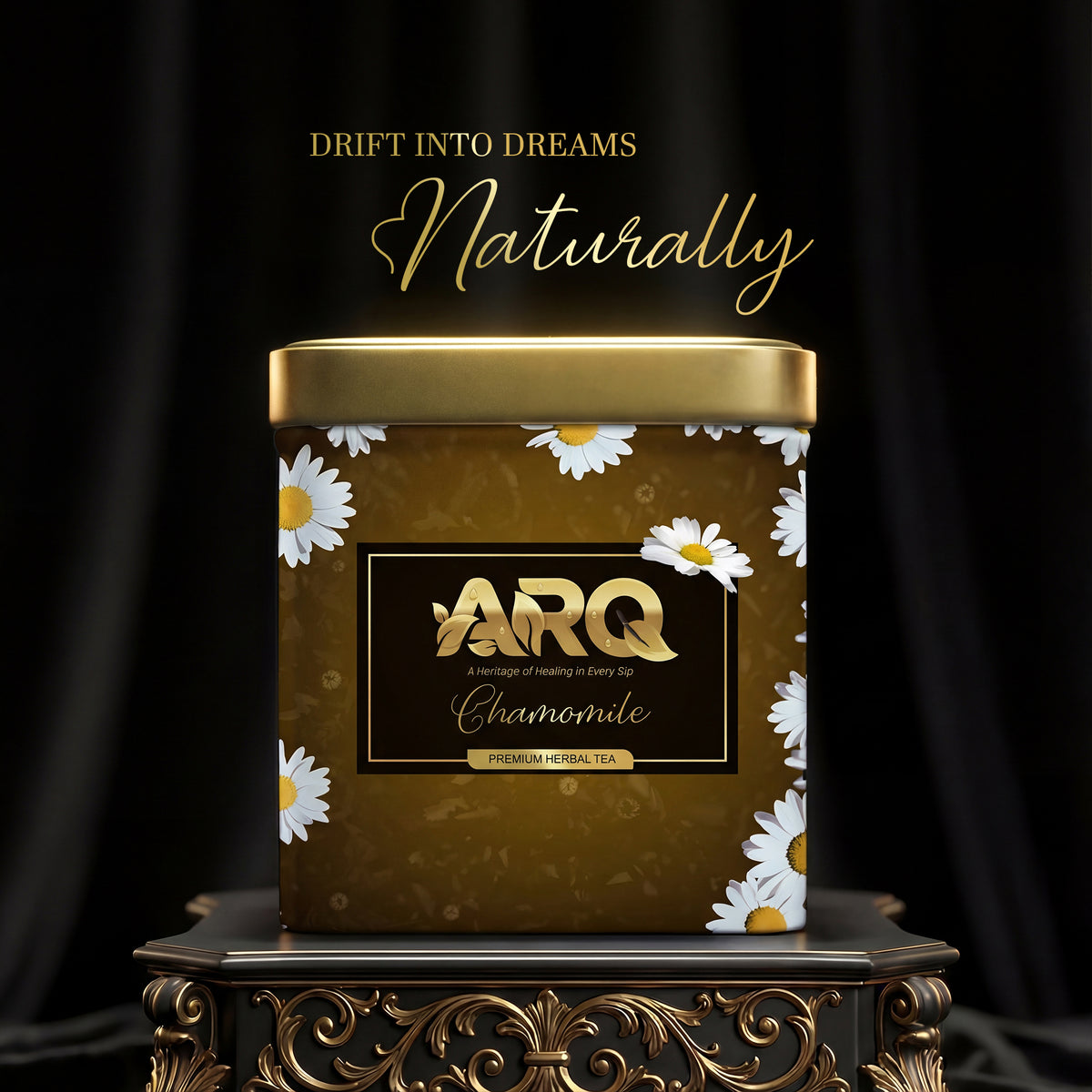
Chamomile is widely recognized for its delicate floral character and gentle taste. Chamomile Calm can be a natural choice for people who enjoy floral herbal infusions and want to make a caffeine-free drink part of their routine.
Its mild profile makes chamomile particularly versatile. It can be enjoyed on its own or incorporated into a relaxing tea ritual.
ARQ Herbal Hibiscus Glow

For tea drinkers who prefer something more vibrant, hibiscus offers a distinctive floral-fruity character and naturally rich color.
Hibiscus Glow provides an alternative to traditional caffeinated teas while bringing a more tangy and refreshing profile to your cup.
It can be a particularly interesting option if you are exploring different caffeine free tea options rather than sticking to one flavor.
ARQ Herbal Glow & Immunity Combo
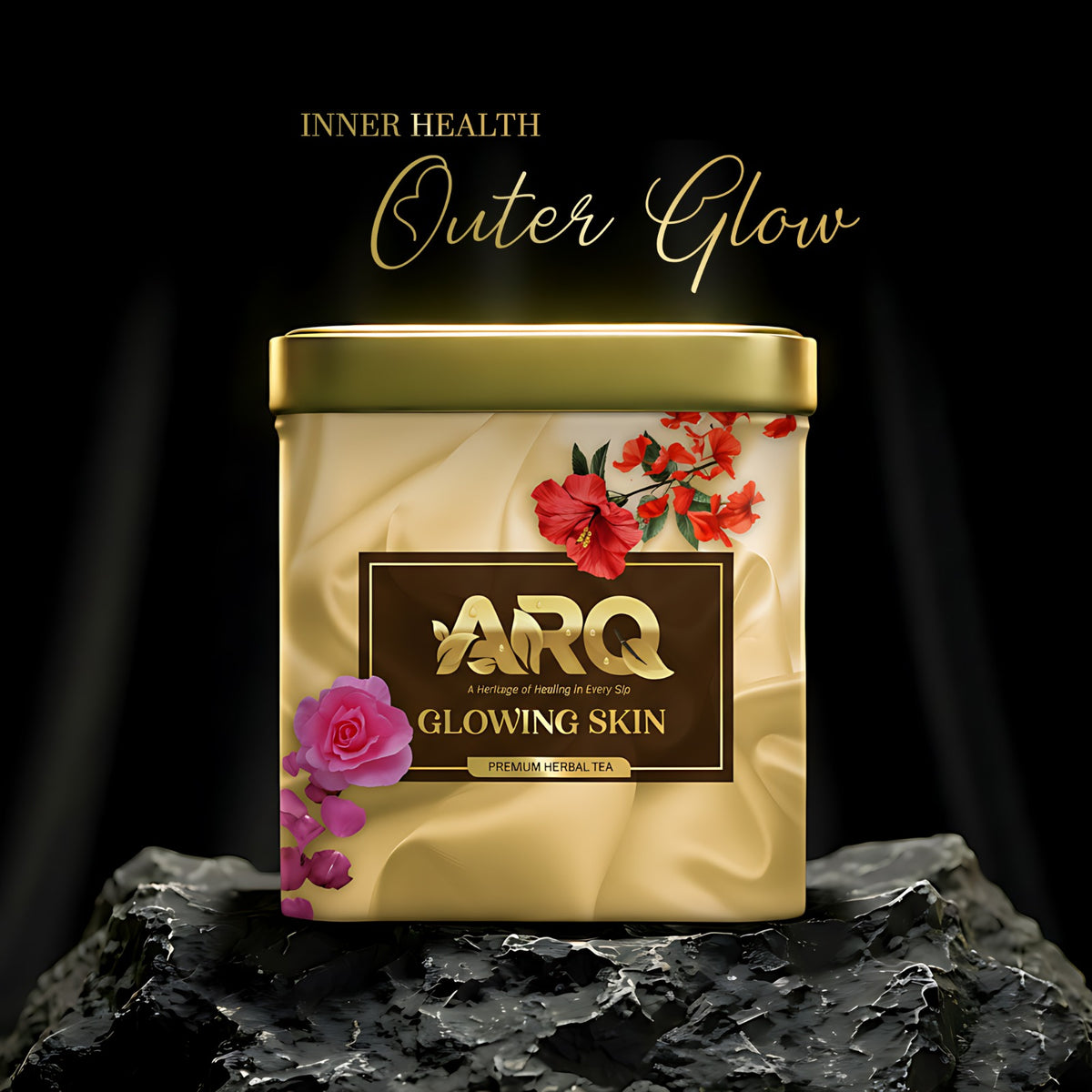
If you want to explore more than one herbal option, the Glow & Immunity Combo brings together ARQ Herbal products in a convenient combination.
A combo can also be useful when you are still discovering which herbal flavors fit your preferences best.
8. Think About When You Will Drink It
Your tea routine can influence which product format works best.
For example:
Morning: If you are replacing your regular caffeinated drink, choose a flavor you genuinely enjoy so the transition feels natural.
Afternoon: A fruity or refreshing herbal infusion can make an enjoyable break during a busy day.
Evening: A caffeine-free floral option such as chamomile may fit naturally into an evening routine.
The advantage of caffeine free beverages is that they give you more flexibility when you want a warm or flavorful drink without adding traditional tea-based caffeine.
9. Don't Choose Only Based on the Packaging
Beautiful packaging can make a product attractive, but it shouldn't be the main deciding factor.
When choosing herbal tea bags, look beyond the design and check:
-
What ingredients are included?
-
Is the tea naturally caffeine-free?
-
How is it supposed to be brewed?
-
What is the flavor profile?
-
Is the serving information clearly provided?
-
Does the product suit your preferred tea routine?
This approach helps you make a more informed choice.
10. Choose a Tea You Will Actually Enjoy Drinking
Perhaps the most overlooked factor when choosing caffeine free herbal tea is enjoyment.
There is little benefit in buying a tea simply because it is caffeine-free if you don't like its taste.
Start by identifying the flavors you naturally gravitate toward. If you enjoy subtle floral notes, try chamomile. If you like something more tart and vibrant, hibiscus could be worth exploring.
You can also experiment with different brewing times and serving temperatures to find your preferred experience.
Final Thoughts
Choosing the right caffeine-free tea doesn't have to be complicated. Start by checking the ingredients, confirming that the blend is naturally caffeine-free, considering your preferred flavor, and deciding whether loose leaf vs tea bags suits your lifestyle better.
For everyday convenience, herbal tea bags can make preparation quick and simple. Floral options such as chamomile and vibrant infusions such as hibiscus also give you plenty of variety without relying on traditional caffeinated tea leaves.
If you are exploring caffeine free tea options, ARQ Herbal's range gives you different herbal experiences to try. From the gentle character of Chamomile Calm to the vibrant profile of Hibiscus Glow, you can choose according to your personal taste and tea routine.
Ultimately, the best caffeine-free tea is one that matches your preferences, fits naturally into your day, and is something you genuinely look forward to brewing.
Frequently Asked Questions
Is herbal tea naturally caffeine-free?
Many herbal infusions are naturally caffeine-free because they are made from herbs, flowers, fruits, or roots rather than Camellia sinensis. However, always check the ingredient list because some blends may contain caffeinated tea leaves.
What should I check before buying caffeine-free tea?
Check the ingredient list, caffeine information, flavor profile, packaging, brewing instructions, and whether the product format suits your routine. If you specifically want caffeine-free tea, look for naturally caffeine-free herbal ingredients.
Are caffeine-free tea bags convenient for daily use?
Yes. Caffeine free tea bags are easy to prepare, require little cleanup, and can be convenient for home, office, or travel.
Is chamomile tea caffeine-free?
Pure chamomile herbal infusion is naturally caffeine-free because chamomile is not made from the traditional tea plant.
Is hibiscus tea caffeine-free?
Pure hibiscus herbal infusion is naturally caffeine-free. As with any blend, check the ingredient list to make sure no caffeinated tea leaves have been added.
Can I drink caffeine-free herbal tea as part of my daily routine?
Yes, caffeine-free herbal infusions can be incorporated into a daily beverage routine. The best choice depends on your preferred flavor, ingredients, and when you enjoy drinking tea.

